
Weigh the pot, not the plate
The most common error in recipe maths is not the ingredients — it is the division. “Serves four” on a recipe card is the author’s guess about appetite, not a measurement, and your four portions are probably not their four portions.
If accuracy matters, weigh the finished dish, then weigh your own portion. Your share of the total is your portion weight divided by the finished weight. This is the single adjustment that turns recipe calculation from approximate into genuinely reliable, and it costs one extra use of the kitchen scale.
What to do with the per-serving number
Once you have it, the recipe becomes a single reusable entry. Most tracking apps let you save a custom food with your own per-serving values — do that once and the dish costs you one tap forever after, which is far better than rebuilding it from ingredients every time you eat it.
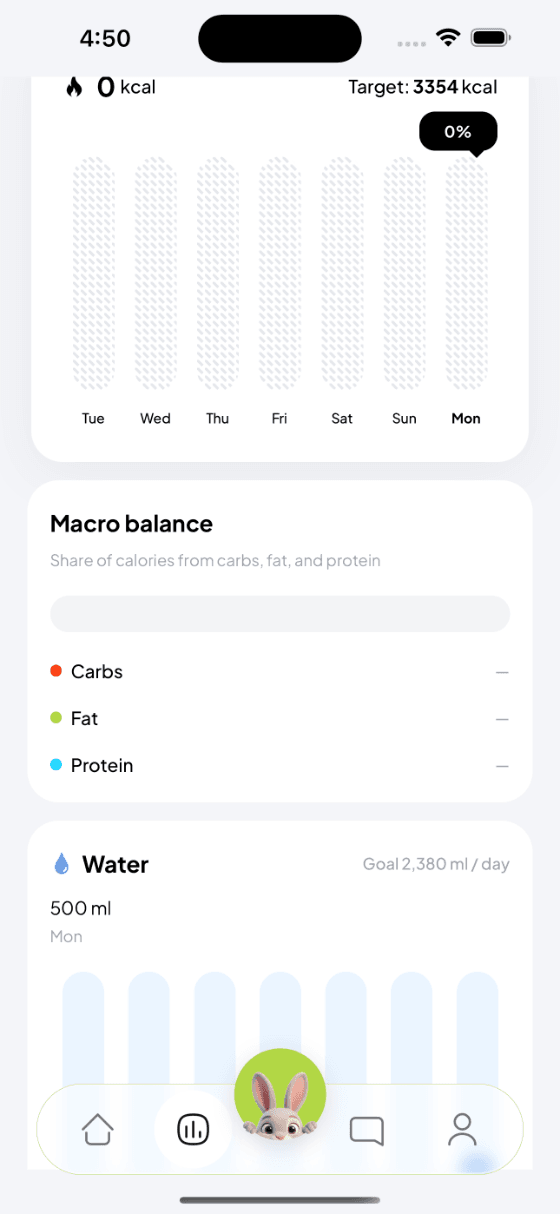
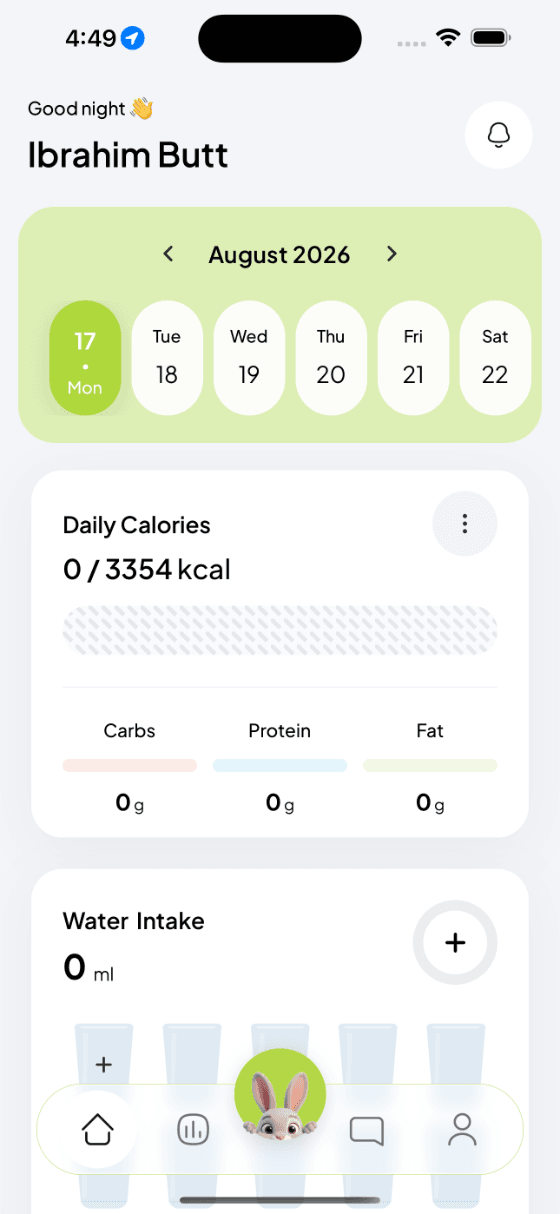
In Calybite, the AI food-tracking app, that saved meal sits alongside photo scanning: the things you cook repeatedly become one-tap entries, and the things you eat out get photographed instead. Neither approach is right for everything, which is rather the point.
Related: total up a single plate when you are not dividing between people, or set a protein target to know what the per-serving protein figure should be clearing.
Sources
- USDA FoodData Central — raw and cooked per-100 g values for common ingredients.
- Atwater energy factors — protein 4 kcal/g, carbohydrate 4 kcal/g, fat 9 kcal/g.