
Every calorie you eat arrives as one of three macronutrients, and they are not interchangeable. Protein costs 4 calories a gram and is the raw material for muscle. Carbohydrate also costs 4 and is the fuel your training actually runs on. Fat costs 9 and carries the hormones and vitamins. Two diets with identical calories and very different splits produce noticeably different bodies — that is the entire case for caring about macros at all.
Shares beat grams
The spreadsheet approach — a gram target for every macro, hit daily — fails for the same reason most tracking fails: it demands precision that does not survive a normal week. The useful question is not whether you ate 148 g of protein or 152, but whether protein is taking roughly the share it should.
Shares are also what stay meaningful when your calories change. Cut 300 calories from a percentage-based plan and your protein quietly falls with it, at exactly the moment it matters most. Anchor protein to your body weight instead, give fat a floor for hormonal health, and let carbohydrate flex with the calories that remain. That is one decision a month, not thirty numbers a day.
Hitting protein within about ten grams and calories within about a hundred is enough for essentially any non-competitive goal.
A reasonable starting split
For most people tracking with a body-composition goal: protein at 1.6–2.2 g per kilogram of body weight, fat at no less than about 0.5–0.8 g per kilogram, carbohydrate taking whatever calories remain. Those ranges come from the sports-nutrition literature, not from a diet camp — the protein range is where meta-analysis finds the benefit for lean mass flattens out, and the fat floor is where hormone production stops being at risk.
Notice what is absent: any claim that one named split — 40/30/30, keto, high-carb — is the answer. Within adequate protein and the fat floor, the carb-versus-fat balance is mostly personal preference and training style, and the research keeps failing to crown a winner at matched calories and protein.
Tracking it without the spreadsheet
Macros are harder to log than calories because every food needs three numbers instead of one, and the errors compound — a 10 g miss on cooking oil moves your fat by nearly a fifth of a typical day. This is where naming the components of a plate matters more than photographing it as one blob: chickpeas, rice and a boiled egg have a completely different split from the same calories of pasta.
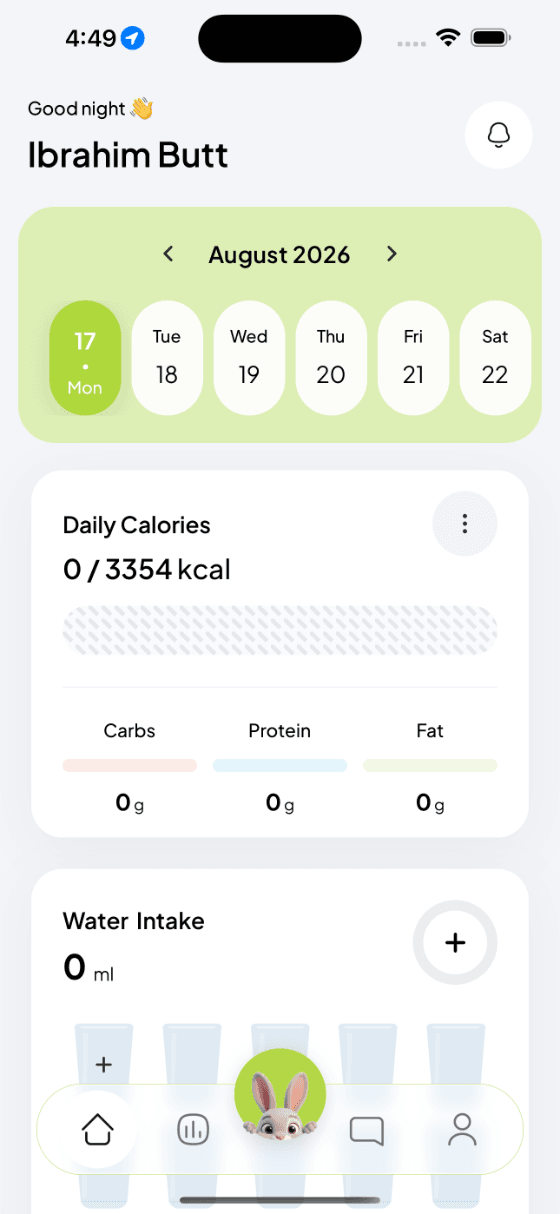
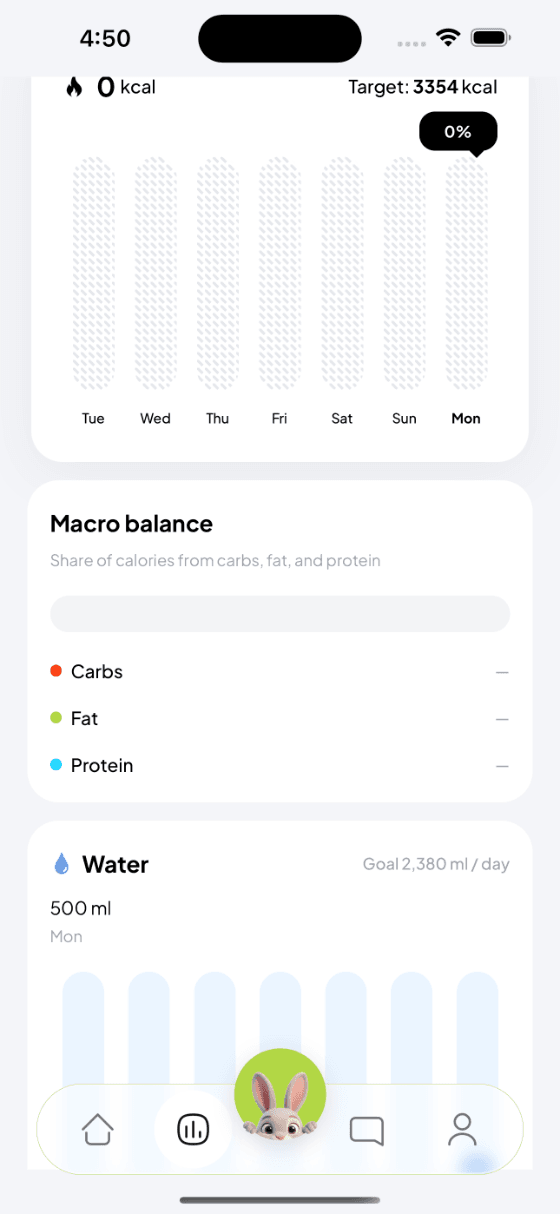
That is how Calybite, the AI food-tracking app, reads a meal — component by component, checked against verified nutrition entries, shown to you for confirmation before anything is saved. The macro bar fills in as you log, and the shares are visible at a glance, which is the level of precision the evidence actually supports.