
A calorie target is really a bet about your expenditure. Eat 1,800 because you burn 2,300, and the plan only works while 2,300 stays true. But expenditure is the moving side of the equation: a desk day and a day with a long hike can differ by more than the size of most deficits. Track only the eating half and you are steering with one eye closed.
Why the out side moves so much
Roughly 60–70% of what you burn is basal metabolism, and that part genuinely is stable day to day. The rest is not. Deliberate exercise varies with your schedule, and non-exercise activity — walking, standing, fidgeting, the errand-filled Saturday — varies more than people expect. The research on NEAT puts the gap between individuals at several hundred calories a day, and your own week has the same spread between its most and least active days.
This is why a fixed target quietly fails twice: on active days it under-feeds you, and on sedentary weeks it silently erases the deficit you thought you had.
What syncing activity actually changes
When steps, workouts and active energy flow in from Apple Health or Google Fit, the expenditure side of your balance becomes a measured number instead of an assumption. The target stops being one figure for every day and becomes a balance you can read: intake on one side, resting burn plus real activity on the other.
The practical difference shows up at the margins. The gym session that earned you a proper dinner is visible. The recovery week that means your usual intake is now a surplus is visible too. Neither shows up in an app that only counts what you ate.
A calorie target is a bet about your expenditure. Syncing activity turns the bet into a measurement.
Reading a week honestly
One caution: activity trackers estimate too, and calorie-burn figures from a wrist are rough. The honest use of the second number is directional — more today than yesterday, a light week versus a heavy one — not gram-level accounting. Judge the balance over a week, watch your weight trend, and let the trend arbitrate when the numbers disagree.
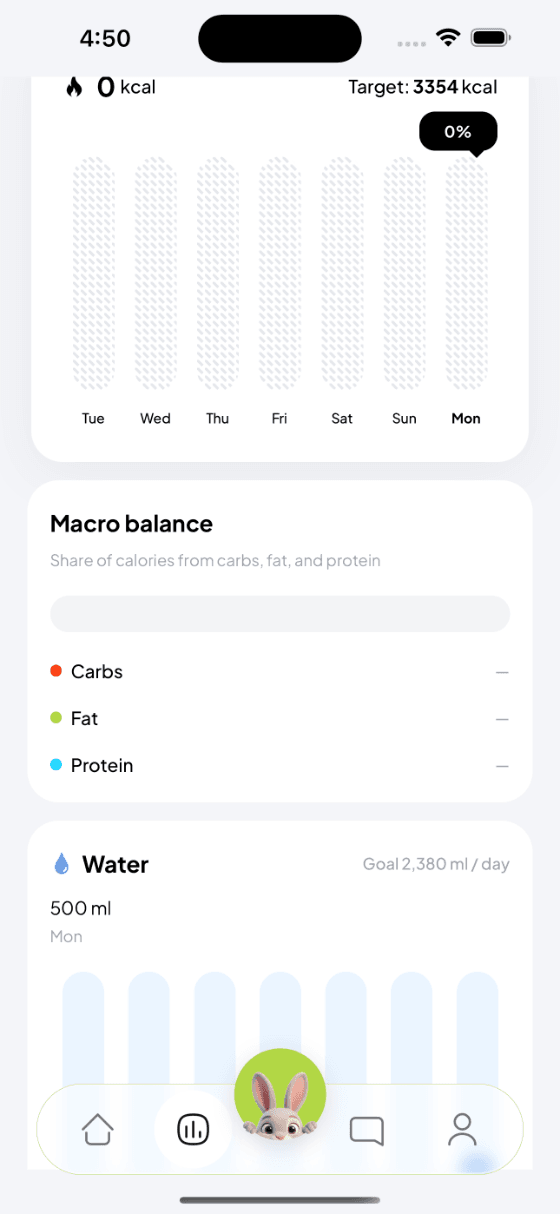
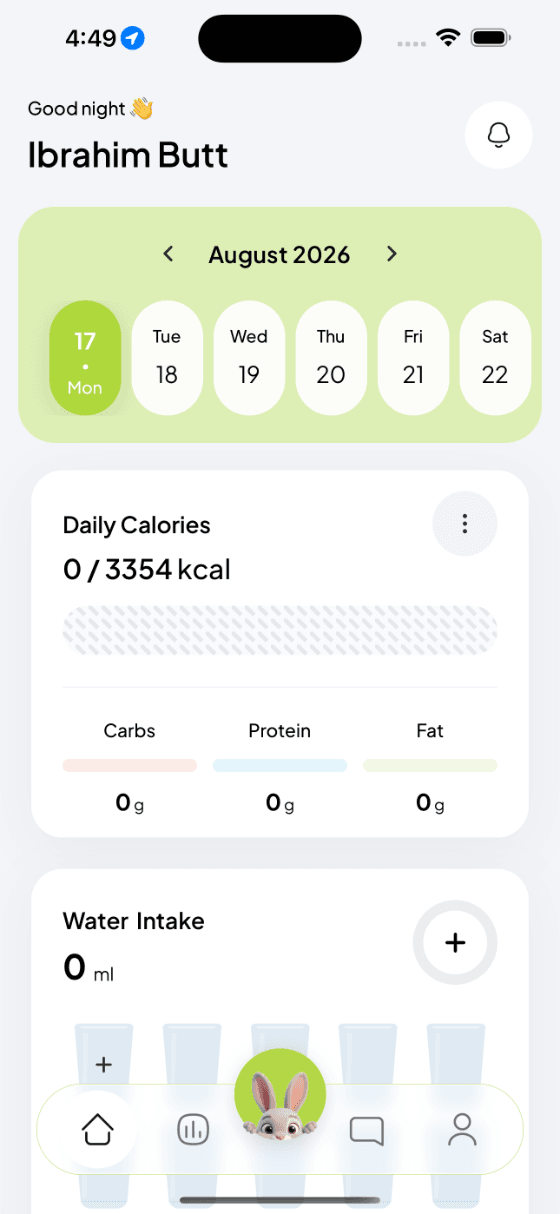
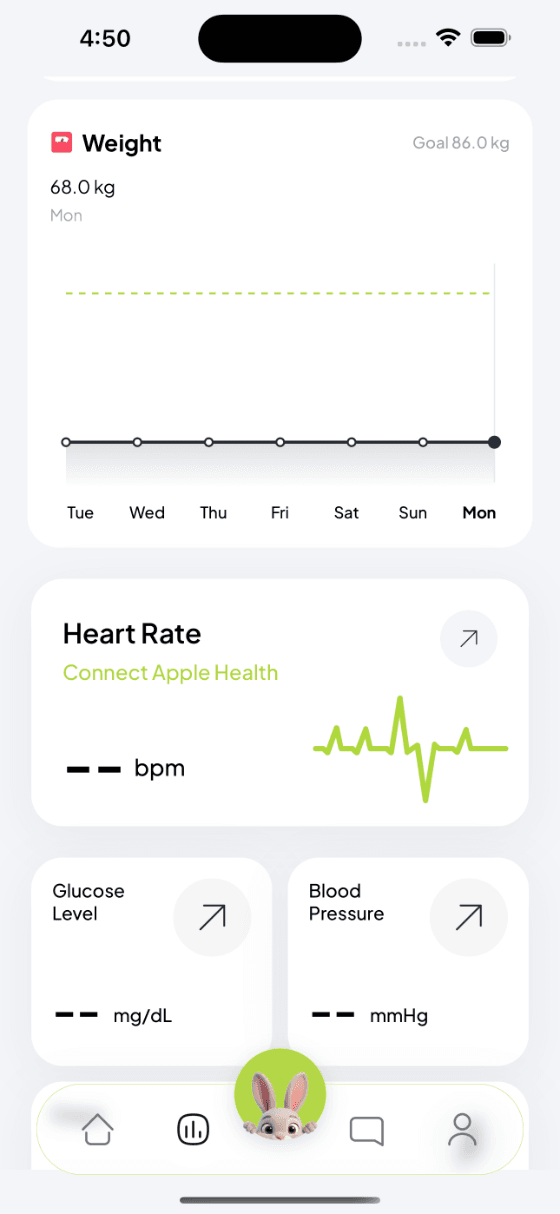
That weekly view is exactly what Calybite, the AI food-tracking app, draws: intake from scanned meals against your target, with synced activity feeding the burn side, plotted across the week so a bad Tuesday reads as a bad Tuesday rather than a failure.